Smoke alarm troubleshooting
Short answer
Most smoke alarm problems are one of three things: a chirp that means a low battery or end of life, a false alarm from dust, insects, steam or cooking, or an alarm that has passed 10 years and lost sensitivity. With interconnected alarms, one faulty unit sets off the whole house, so the first job is finding which one started it.
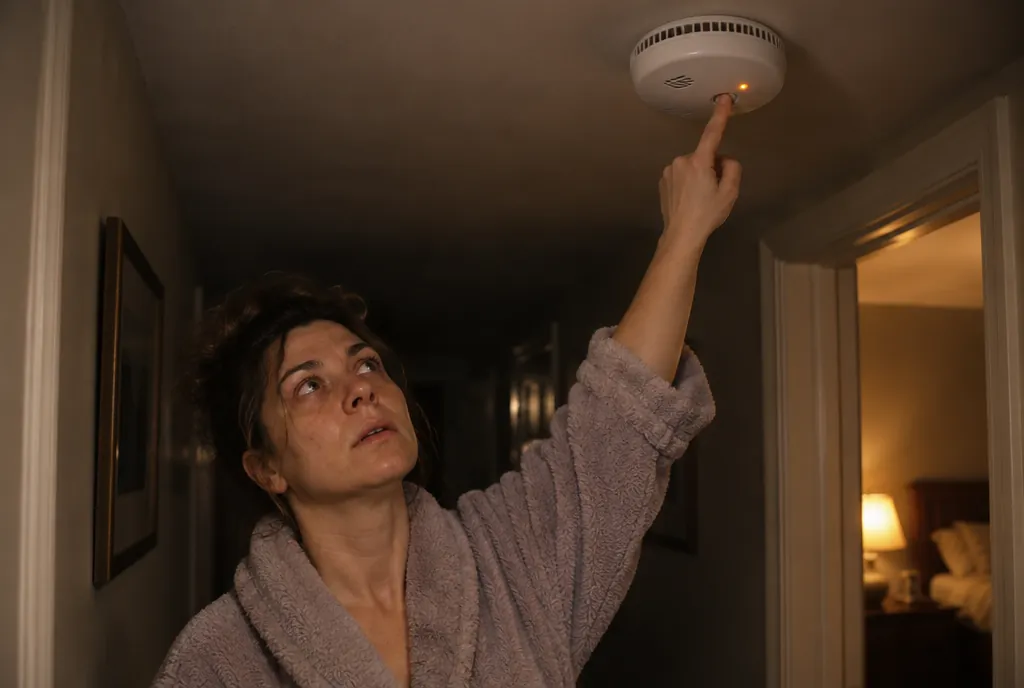
Before anything else: if an alarm sounds and you see or smell smoke, get out and call Triple Zero (000). Never remove an alarm or its battery to stop the noise. In Queensland, the NT and Tasmania that is an offence [Fire Services Act 1990 (Qld)] [NT Fire and Emergency Regs] [Tas Residential Tenancy Act], and everywhere it leaves you unprotected.
Fire services agree on a simple routine: test monthly, vacuum the alarm every 6 to 12 months, and replace every alarm 10 years after it was made [AFAC]. The guides below cover the rest, using the official advice and the makers' own manuals.
Guides in this section
- Why do my interconnected smoke alarms keep going off?How to find the alarm that started it, and fix dust, insects, steam, cooking and wiring causes.
- Why is my smoke alarm chirping or beeping?What each chirp pattern means, why it keeps beeping after a battery change, and 10-year alarm end of life.
- How to test and clean interconnected smoke alarmsMonthly testing, checking every alarm joins in, cleaning intervals by state, and a yearly routine.
- Can you mix smoke alarm brands in an interconnected system?Why brands don't mix, what the makers say, and what to do about discontinued models.
- When to replace smoke alarms, and how to dispose of old onesThe 10-year rule, how to read the date, what to replace with, and disposal by state.
Sources
Every source below was read on the official page. Last checked: November 2026.
- Queensland Legislation: Fire Services Act 1990, Part 9A, ss 147W to 148K (PDF, current as at 6 December 2025)
- NT Legislation: Fire and Emergency Regulations 1996 (NT), Part 2A (reprint as in force at 16 July 2024, PDF)
- Tasmanian Legislation: Residential Tenancy Act 1997 (Tas), Part 3A Smoke alarms
- AFAC (National Council for fire and emergency services): Smoke alarms in domestic and residential accommodation, guideline v4.0 (October 2023)